
Vacuum Excavation Melbourne

CLEAN, SAFE MATERIAL REMOVAL, DONE PROPERLY | 24/7 EMERGENCY | SAME-DAY SERVICE WHEN AVAILABLE | UP-FRONT PRICING | NO SURPRISES
g5stars

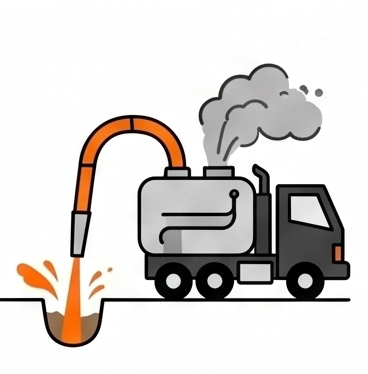
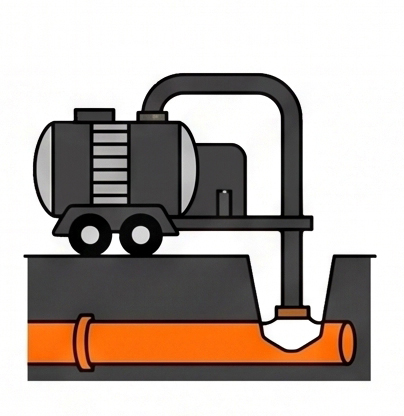
Once soil, spoil, or debris has been broken up on a job. Vacuum excavation uses a powerful industrial vacuum system to lift loose material directly into a sealed tank on our truck, avoiding the mess, dust, and manual handling that comes with shovelling material into a skip or trailer by hand.

It’s a service we provide both as part of larger jobs.


Handles Solid and Liquid Waste

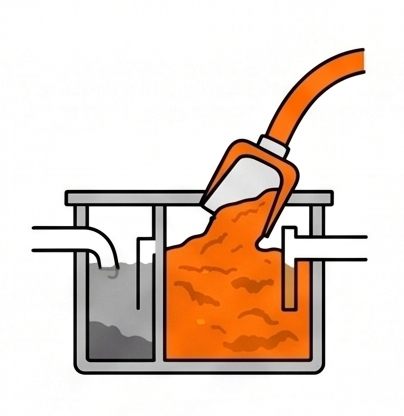
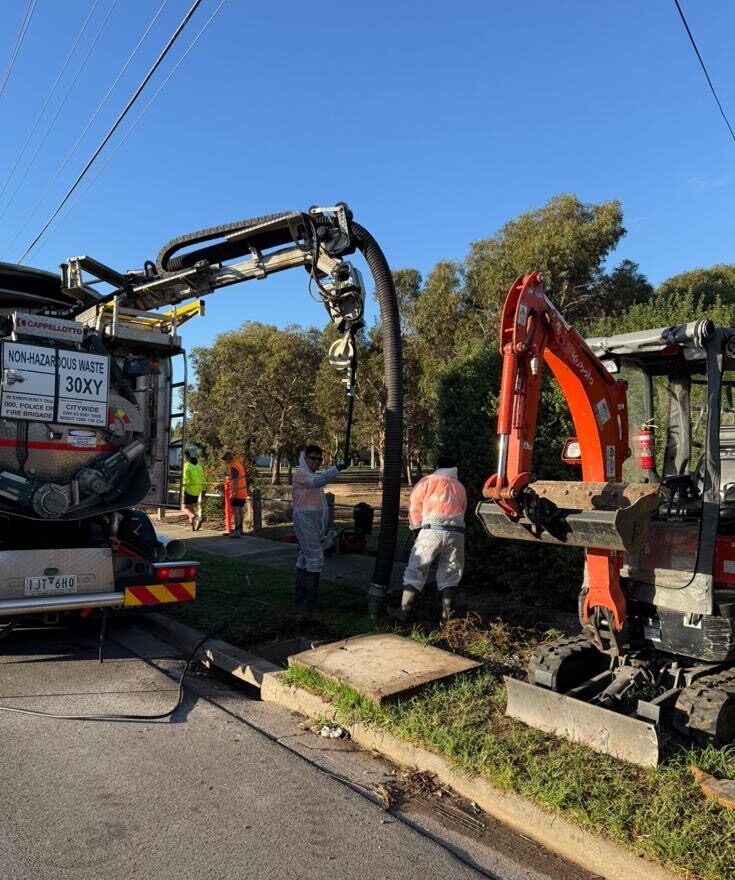
Our vacuum systems are designed to handle both solid material and liquid or sludge waste from tanks, pits, and excavations.

 
cleanup

Cleaner Site, Less Disruption

Material goes straight into a sealed tank and off site.

 
hydro excavation

Flexible Hose Access

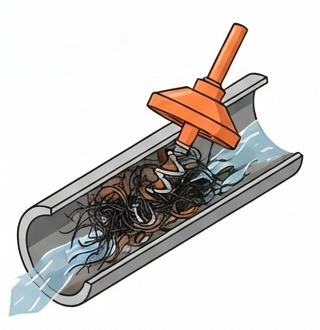
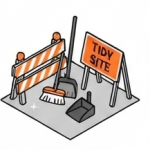
The flexible hose system means we can access tight spaces that would be difficult to clear manually or with heavier machinery.

 
vaccum excavation

Works Alongside Hydro Excavation

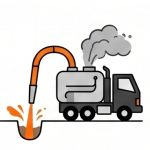
Vacuum excavation is the natural partner to hydro excavation. Once removed from site, waste material is disposed of at an approved facility.


Inspect the ground and access

We assess the work area, nearby structures, traffic conditions and known underground services. That information helps us plan a controlled excavation with the right vacuum setup.

Call with the work location

Tell us what needs to be uncovered, where the work is taking place and what access constraints apply. We will discuss the likely material, depth and equipment requirements.
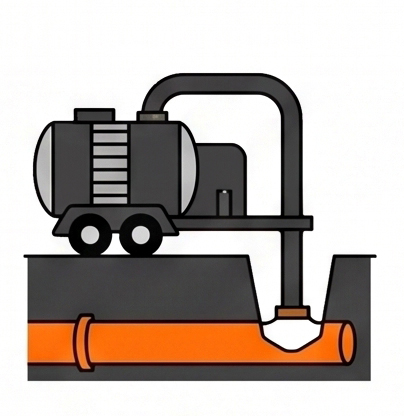
Vacuum the material cleanly

We loosen and remove soil, slurry or other material with vacuum equipment suited to the site. The controlled process reduces ground disturbance and keeps the removed material contained.
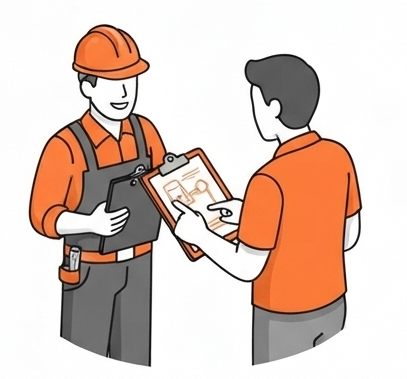
Provide a safe removal plan

We explain the excavation sequence, spoil handling and site requirements before starting. You receive a clear plan for exposing or removing material without relying on unnecessary mechanical digging.

Confirm the area is ready

We check that the required service, structure or work zone has been exposed to the agreed level. We leave the area managed as planned and explain what the result means for the next stage.
FAQS

Frequently Asked Questions

Need a hand with your drainage?

Not sure which service you need? That is exactly what we are here for. Call our family-owned Melbourne team, describe what is happening and we will help work out the right next step.

ben 03

A wide range. The main limitation is the particle size of solids; very large rocks or debris may need to be broken down first.


It’s transported in our sealed tank to an appropriate waste disposal facility, in line with the relevant regulatory requirements for the waste type. You don’t need to arrange separate spoil disposal.


On residential sites, vacuum excavation often follows drainage or pipe relining work, removing the slurry and spoil generated during the dig so your garden or driveway is left as clean as possible once the job’s done. When a section of pipe has been exposed for inspection or repair, the last thing you want is a pile of wet spoil sitting on your lawn while the reinstatement work is completed.

On commercial sites, it’s regularly used for removing liquid waste, sludge, or spoil from tanks, pits, and confined spaces where manual removal would be slow, difficult, or simply unsafe. Wet wells, pump pits, trade waste holding tanks, and sumps all accumulate material over time, and vacuum excavation is typically the most practical and safest way to clear them out on a scheduled basis.

It’s also a genuinely handy tool for general site clean-ups following any kind of excavation or drainage work, where loose material needs to be cleared quickly without the disruption of heavy machinery moving material across the site. If you’ve got a pit, tank, or excavation that needs clearing and you’re not sure about the safest or most efficient way to do it, vacuum excavation is very likely your answer.


Manual handling of spoil and waste material is one of the more common sources of injury on residential and commercial job sites. Vacuum excavation removes much of that risk by handling the material mechanically, which is safer for our team and, just as importantly, faster for you.

It also significantly reduces the mess left behind. Rather than a pile of wet spoil sitting on a tarp while it’s shovelled into a trailer, the material goes straight into a sealed tank and off site.

For commercial clients in particular, the ability to complete vacuum excavation work without significant visual disruption to the surrounding area is genuinely valuable. A restaurant, retail premises, or office building that’s operating while maintenance work is underway doesn’t want spoil piled up out the front.

Beyond the drainage and excavation context, vacuum loading is a well-established technique for removing material from industrial environments where manual removal is impractical or hazardous. Silt, sand, aggregate, and general industrial waste can all be lifted efficiently and safely into our sealed tank, reducing both the physical risk to workers and the time required for the removal operation.

For businesses with regular accumulation in tanks, pits, or sumps. We work with commercial clients to set up cleaning frequencies that suit their specific operations and waste accumulation rates.

If you’re dealing with a confined space that needs clearing and you’re uncertain about the safest approach, we’re happy to assess the situation and advise on the most appropriate method.

In our broader drain and pipe work, vacuum excavation rarely stands alone. When we’re carrying out hydro excavation to expose a pipe section for inspection or repair, the vacuum system is running simultaneously, lifting the broken-up slurry away as the water jet works. When we complete a pipe relining job that has required a small amount of excavation for access, the vacuum system clears the spoil before we begin reinstatement.

This integrated approach means the overall job is cleaner, faster, and less disruptive than it would be if spoil removal were treated as a separate, manual step. Our trucks carry the equipment to do both in a single visit, which means one booking and one team rather than separate contractors for different parts of the same job.

For residential clients in Melbourne’s established suburbs, where gardens, driveways, and outdoor living areas are important and where neighbours are often nearby, this clean, integrated approach is genuinely appreciated.

Pricing for vacuum excavation varies depending on the volume of material to be removed, the access conditions, the type of waste (liquid versus solid, and the specific classification of the waste), and the total time required on site. We’ll assess these factors when you make contact and give you a clear, upfront price before any work begins.

For commercial clients who require regular scheduled vacuum loading or pit cleaning, we’re happy to discuss ongoing arrangements that can simplify both planning and cost. Regular servicing at agreed intervals is usually more economical than ad-hoc callouts, and it means you’re not caught out by a pit that’s full and causing problems when it’s least convenient.

Yes. Mixed loads of liquid and solid material are handled routinely on drainage and industrial sites.


In most cases, yes. The two processes typically run together on the same job, with the same truck handling both.


Get your free estimate

Get a Quote

Ready to get this sorted?

GET IN TOUCH WITH METRO JETTING TODAY FOR A FREE, NO-OBLIGATION QUOTE — SAME-DAY SERVICE IS AVAILABLE ACROSS MELBOURNE.