
Jet Blasting Melbourne.
MELBOURNE'S MOST THOROUGH DRAIN CLEAN | 24/7 EMERGENCY | SAME-DAY SERVICE WHEN AVAILABLE | UP-FRONT PRICING | NO SURPRISES
Clears the Full Pipe
Jet blasting scours the entire internal surface. Material is removed from the pipe walls completely, so the clean lasts significantly longer.
Handles Every Blockage Type
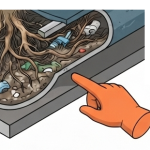
Fat and grease, soap scum and hair, silt, general debris, and even tree roots with a root-cutting jet head.
Gentle on Ageing Pipework
We adjust water pressure based on the pipe’s material, age, and assessed condition. Older clay or earthenware pipes get a thorough clean without unnecessary risk of damage.
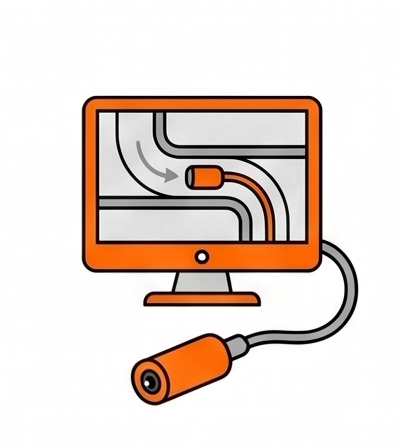
Combines with CCTV Inspection
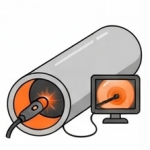
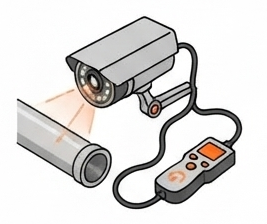
Jet blasting is frequently carried out alongside a CCTV drain inspection.

Inspect the pipe and access points
We check the line, access points and surrounding area before selecting the blasting setup. That inspection helps us match the nozzle, pressure and cleaning approach to the condition of the pipe.

Call about the line that needs clearing
Tell us whether the issue is grease, roots, silt, scale or another stubborn build-up. We will ask about the pipe and site so the jet blasting can be planned safely.
Restore the drain, not just the flow
We use the appropriate jetting, clearing or repair method to get the system working safely again. If the emergency has exposed a deeper fault, we will address the cause rather than leave a temporary patch.
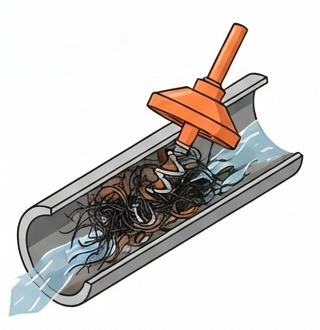
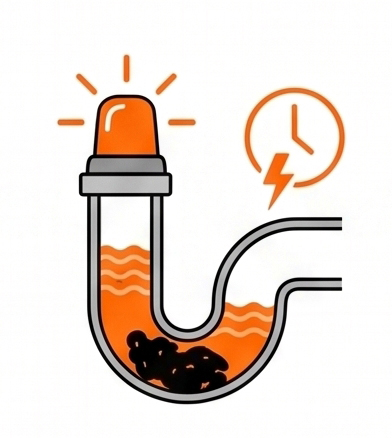
Blast away the build-up
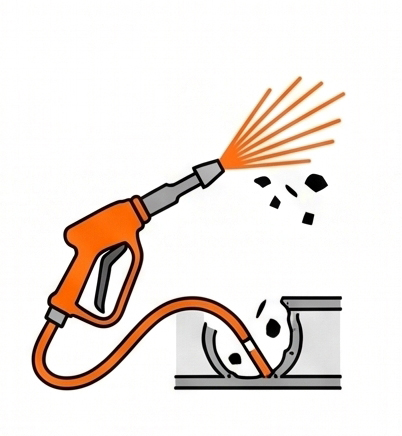
We use specialist high-pressure jetting to break down and flush stubborn material from the pipe. The work is directed at restoring the line properly rather than leaving a thin channel through the debris.

Confirm the property is safe
We test the affected fixtures and check that wastewater is moving as it should before we leave. We also explain what to monitor and whether a follow-up inspection is worthwhile.
FAQS
Frequently Asked Questions
Need a hand with your drainage?

Not sure which service you need? That is exactly what we are here for. Call our family-owned Melbourne team, describe what is happening and we will help work out the right next step.
What's the difference between jet blasting and drain snaking?
Drain snaking (also called mechanical rodding) uses a rotating cable to physically break through or retrieve a blockage. It’s effective for some situations but doesn’t clean the pipe walls. Jet blasting uses high-pressure water to scour the full internal surface, removing material from the walls as well as clearing the blockage path. The result lasts longer and is more thorough.
Will jet blasting remove tree roots from my pipe?
Yes. A root-cutting jet head can shred and flush out root growth effectively. However, clearing the roots addresses the symptom rather than the underlying cause. After jet blasting, we’ll usually recommend a CCTV inspection to assess the extent of root intrusion, and pipe relining to seal the entry points and stop regrowth.
How long does a jet blasting job take?
Most residential jet blasting jobs are completed within one to two hours, depending on the length of the pipe run, the nature of the blockage, and the accessibility of the access point. We’ll give you a realistic time estimate when we book.
Is jet blasting safe for old clay or earthenware pipes?
Yes, when carried out correctly. Our technicians assess the pipe material, age, and condition before selecting the appropriate water pressure. Older clay pipes are cleaned effectively at lower pressures than newer PVC pipework, and the technique is generally gentler on aged pipework than mechanical rodding, which can physically damage brittle pipe walls or joints.
How High-Pressure Jet Blasting Works
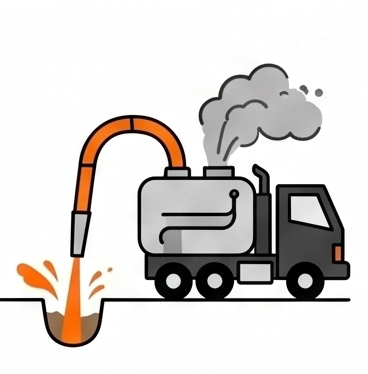
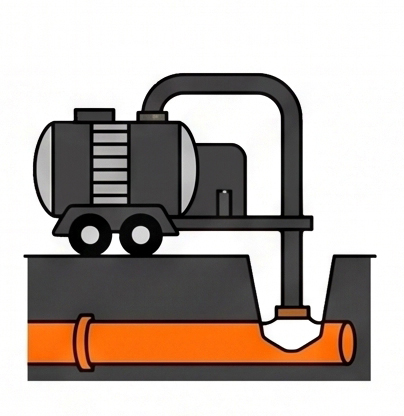
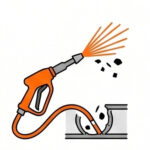
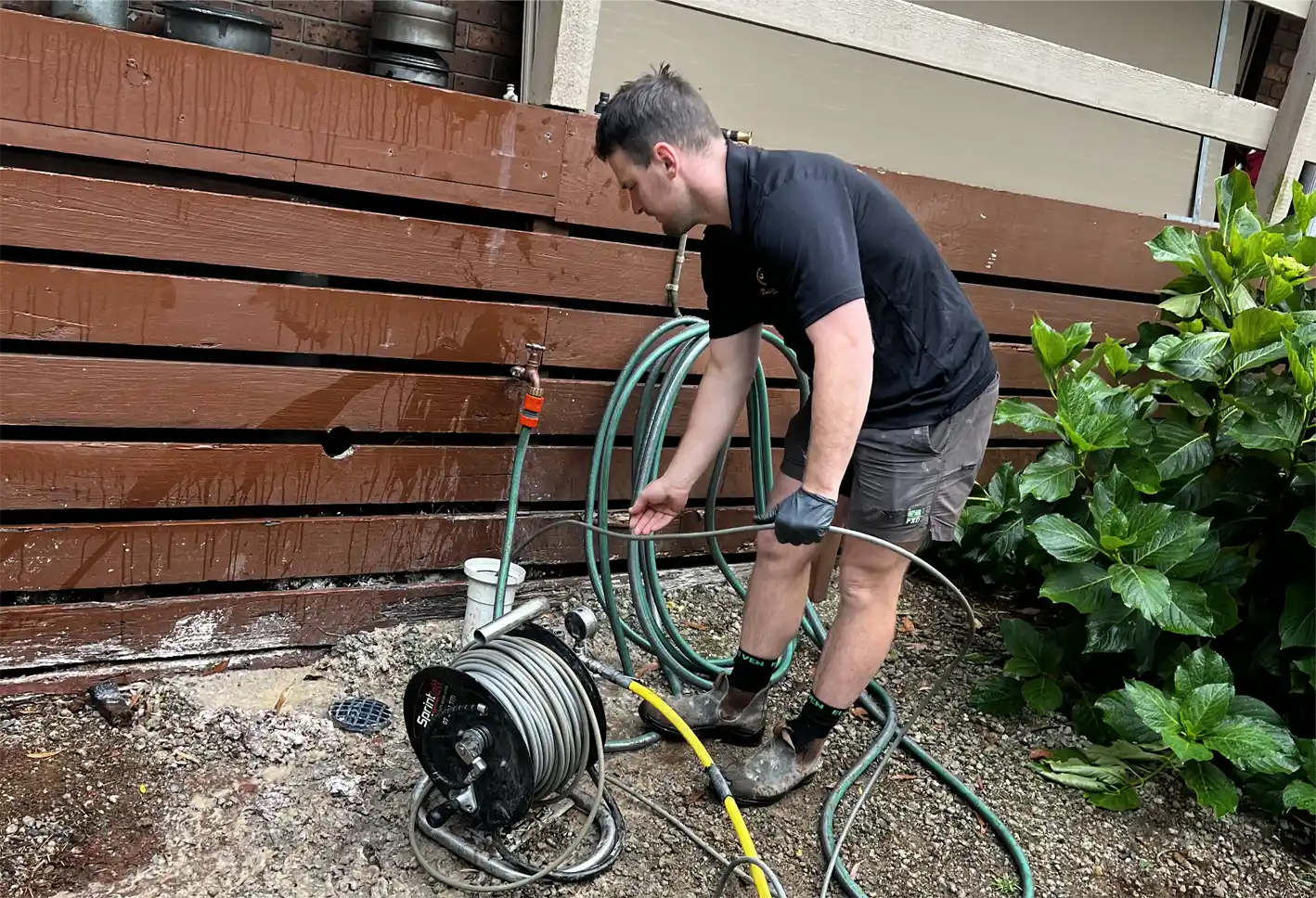
Jet blasting uses specialised equipment to deliver high-pressure water through a flexible hose inserted into the pipe from an access point. At the end of the hose is a jet nozzle designed to direct water in two directions simultaneously: forward-facing jets that cut through and dislodge blockage material ahead of the nozzle, and backward-facing jets that propel the nozzle along the pipe while also scattering and flushing dislodged material back out of the system.
What Jet Blasting Can Fix
High-pressure jet blasting handles the vast majority of blocked drain calls we get across Melbourne, and it’s effective across a remarkably wide range of blockage types.
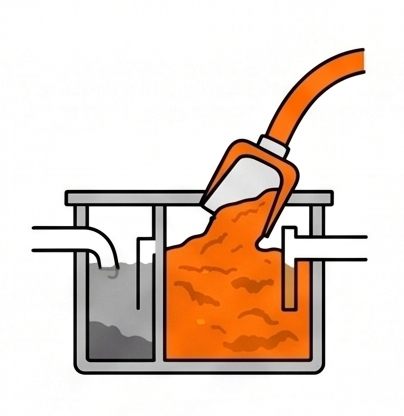
Kitchen drains clogged with accumulated fat and grease are one of the most common jobs we do, and jet blasting is particularly well-suited to them. Fat that has solidified over time on the pipe walls. Restaurants, cafes, and domestic kitchens in Melbourne’s inner suburbs call us regularly for grease line clearing as part of routine maintenance, not just in response to a complete blockage.
Bathroom drains matted with hair and soap scum clear cleanly, as do floor waste drains in laundries and bathrooms that have accumulated a mix of lint, hair, and detergent residue. Outdoor stormwater drains blocked with leaves, silt, and general debris are another regular job.
Why Jet Blasting Outperforms the Old-School Methods
If you’ve had a drain ‘snaked’ or rodded before and found the same blockage returning within weeks or months, this is most likely why: mechanical rodding tools break through or displace the blockage, but they don’t clean the pipe walls. Material stuck to the walls. The pipe might flow freely for a few weeks, but the conditions for the next blockage are already in place.
Jet blasting takes a fundamentally different approach. Because the jet head scours the full internal circumference of the pipe as it travels along, it removes material from the walls. The result is that the clean lasts significantly longer, and the cycle of repeat callouts for the same blockage is broken.
It’s also more effective for grease and fat than chemical drain cleaners, which can break down surface grease but rarely penetrate the full thickness of a heavy grease deposit. High-pressure water physically removes the material rather than dissolving a surface layer and leaving the underlying build-up in place.
There’s also the question of safety for older pipework. A common concern we hear from homeowners in suburbs with ageing clay pipes is whether jet blasting will damage the pipe. The honest answer is that, with appropriate pressure settings and an experienced operator, jet blasting is well-tolerated by older clay and earthenware pipework. The key is adjusting the pressure to suit the material and condition of the pipe, which our technicians do as a matter of course. In contrast, mechanical rodding can sometimes cause physical damage to old, brittle pipe walls or joints.
Jet Blasting as Part of a Broader Maintenance Approach
For most residential properties, jet blasting is a reactive service. But for some properties and situations, it makes very good sense to think about it more proactively.
Properties with known fat and grease build-up history. Rather than waiting for the kitchen sink to stop draining entirely, a jet blast every year or two keeps the pipe in good working order and avoids the disruption and cost of an emergency callout.
Commercial kitchens, cafes, and restaurants are an even clearer case for proactive maintenance. Grease lines in commercial food service environments accumulate far more material than residential drains, and a blocked drain in a commercial kitchen can represent a compliance issue, a health risk, and a direct impact on trading. Many of our commercial customers have a scheduled clearing program in place.
For properties in tree-heavy suburbs, a scheduled jet blast combined with a CCTV inspection every couple of years can catch root intrusion early, clear out any early-stage root growth, and confirm whether the pipe’s condition warrants a longer-term fix like relining. The cost of a routine inspection and clearing is a fraction of the cost of an emergency callout and major repair.
If you’d like to discuss what a sensible maintenance schedule might look like for your property, give us a call.