

Hydro Excavation Melbourne

A GENUINELY SAFER WAY TO DIG AROUND UNDERGROUND SERVICES | 24/7 EMERGENCY | SAME-DAY SERVICE WHEN AVAILABLE | UP-FRONT PRICING | NO SURPRISES
g5stars

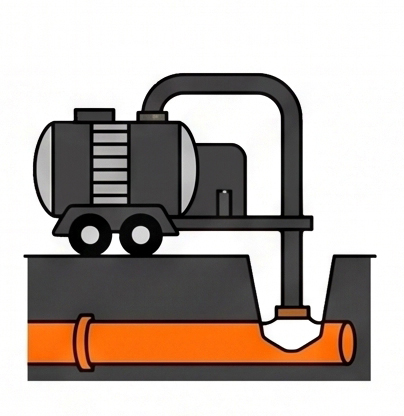
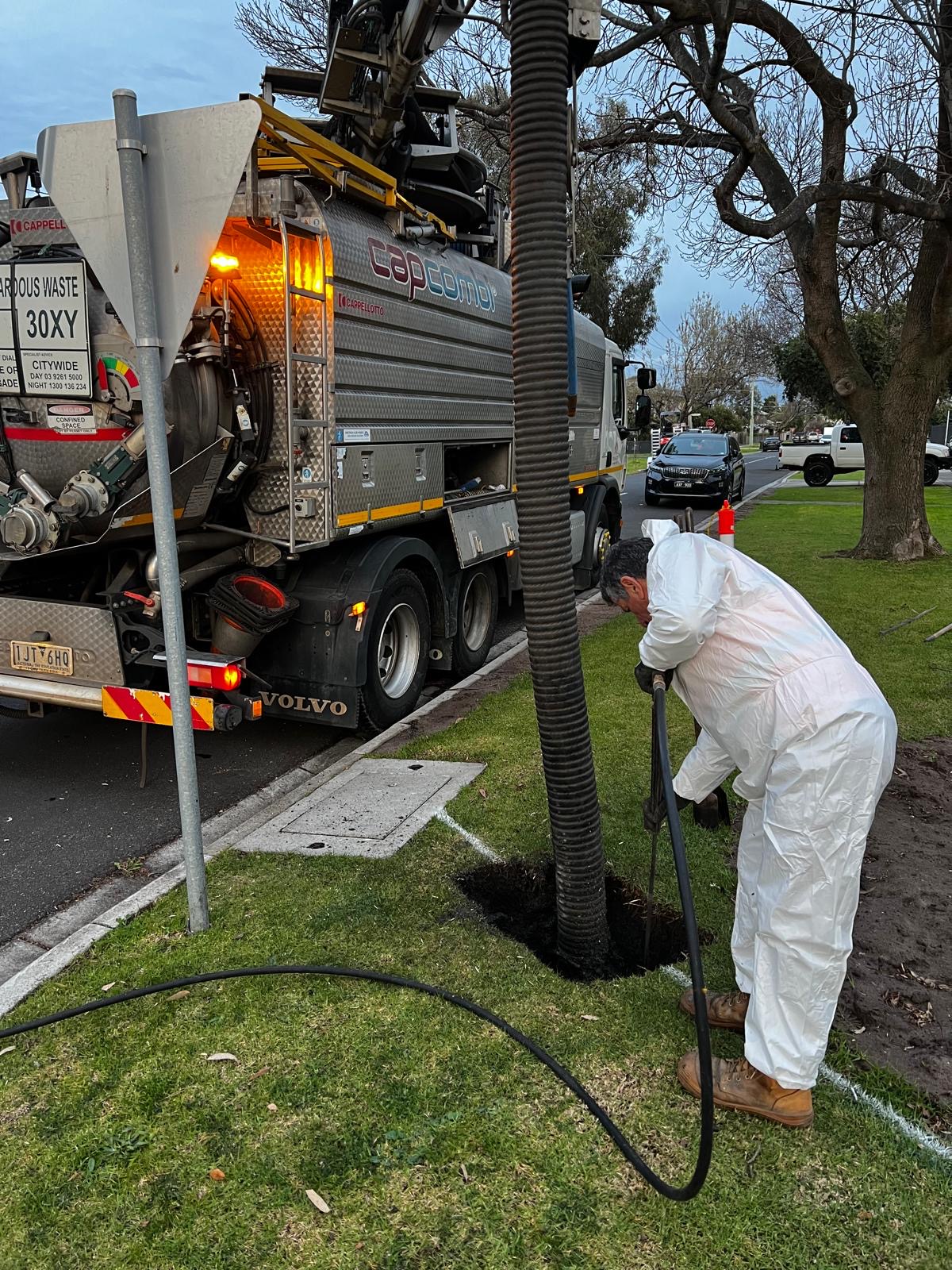
Digging near underground pipes, cables, or other utilities always carries a bit of risk with traditional excavation methods. Hydro excavation solves this problem beautifully by using a high-pressure water jet to break up soil, combined with a powerful vacuum system to remove the resulting slurry, exposing what’s underground without any physical contact from a blade or bucket.

Hydro Excavation Melbourne can be


“A GENUINELY SAFER WAY TO DIG AROUND UNDERGROUND SERVICES”


It’s a method we turn to whenever precision genuinely matters more than speed.


Non-Destructive Digging

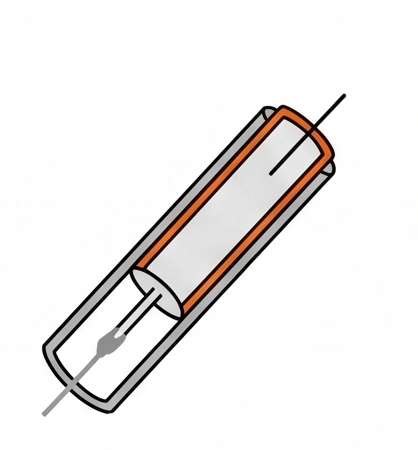
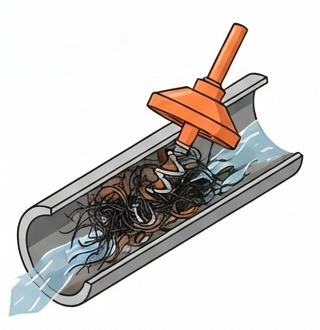
Water breaks up the soil rather than a mechanical blade. It’s a fundamental shift in how excavation risk is managed on sensitive sites.

 
precision

Precision in Tight Spaces

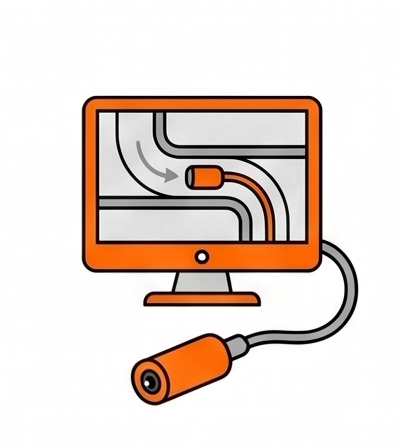
The hose and vacuum system can reach areas that would be genuinely difficult for an excavator to access.

 
cleanup

Clean Site, Clean Finish

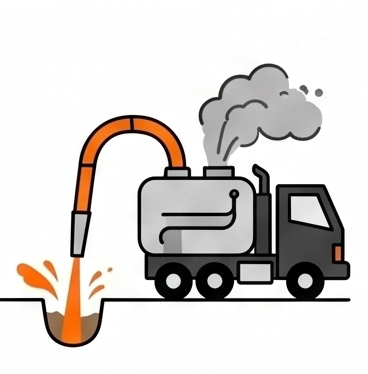
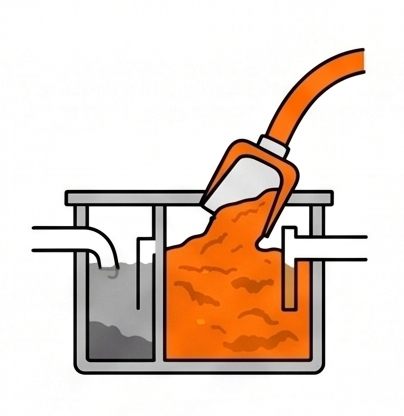
Excavated slurry is vacuumed directly into a holding tank rather than piled up around the excavation.

 
hydro excavation

Faster Than Hand-Digging

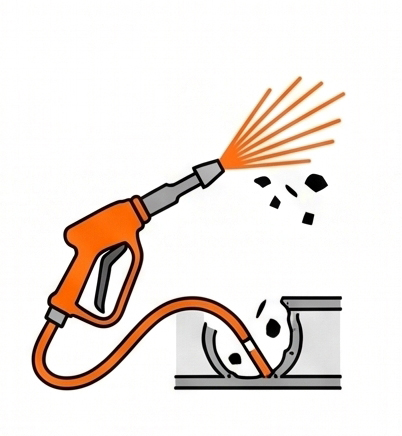
Considerably faster than digging carefully by hand around sensitive services, without sacrificing the safety and precision that hand digging is meant to provide.


Inspect the site and services

We assess access, ground conditions, nearby structures and known underground services before work begins. This planning step helps us protect the site and select the right vacuum and water setup.

Call with the excavation brief

Tell us what needs to be exposed, how deep the work may be and what access the site allows. We will discuss the ground conditions, services and equipment needed for a safe start.

Expose without unnecessary digging

We use pressurised water to loosen the ground and vacuum equipment to remove the spoil in a controlled way. This exposes services and structures with less disruption than broad mechanical excavation.

Provide a controlled excavation plan

We explain the proposed excavation method, work area and material handling process. You receive a clear scope that accounts for safety, access and the level of exposure required.

Check the exposure and site

We confirm the target area has been safely exposed and that the removed material has been managed as agreed. We walk you through the result and any next step required by the project.
FAQS

Frequently Asked Questions

Need a hand with your drainage?

Not sure which service you need? That is exactly what we are here for. Call our family-owned Melbourne team, describe what is happening and we will help work out the right next step.

ben 03

Having Dial Before You Dig plans is strongly recommended before any excavation work, including hydro excavation. Our team will review available plans prior to the dig. Where plans are unavailable or incomplete, hydro excavation is particularly valuable precisely because it allows careful, cautious investigation without the destructive risk of mechanical methods.


Hydro excavation is effective at the depths typically required for residential and commercial service work. The practical depth depends on site conditions, material type, and the specific equipment configuration.


Yes. The hose and vacuum system can reach areas that would be genuinely difficult for an excavator to access, including narrow side passages, areas beneath decks or structures, and sites with limited vehicle access.


For residential jobs, hydro excavation is often our method of choice when we need to expose a section of sewer or stormwater pipe for repair or relining preparation.


Because the soil is broken up with water rather than a mechanical blade, hydro excavation is inherently gentler on anything buried in that soil. It also tends to leave a cleaner site behind, since the excavated slurry is vacuumed directly into a holding tank rather than piled up around the excavation, making reinstatement of the area afterwards a whole lot simpler.

It’s also considerably faster in many situations than digging carefully by hand around sensitive services, without sacrificing the safety and precision that hand digging is meant to provide. If you’re planning any work near known or suspected underground utilities, it’s genuinely worth asking whether hydro excavation is the safer, smarter option for your specific site.

Traditional mechanical excavation has its place. The consequences of a miss are simply too significant.

When our hydro excavation truck arrives on site, our technicians first review the proposed excavation zone and any available underground service plans for the area. We discuss the scope with you, mark the dig area clearly, and set up the hose and vacuum system before starting.

The high-pressure water jet is then directed at the soil in the excavation zone, breaking it up into a slurry that’s simultaneously vacuumed into our sealed holding tank. The process is methodical and carefully controlled. Sand and soft soils break up readily; compacted clay or aggregate takes a little more work but responds well to hydro excavation throughout.

Once the target depth or service has been exposed, we stop, allow you to inspect, and either carry out the required work (a pipe repair, a service connection, a CCTV inspection of the exposed section) or simply leave the excavation safely accessible until your nominated contractor arrives. The spoil in our tank is then disposed of properly at an appropriate facility.

One of the more nuanced applications we encounter regularly is using hydro excavation to expose pipe sections in areas where tree roots have heavily colonised the surrounding soil. In suburbs like Toorak, South Yarra, and Canterbury, mature oaks, elms, and established natives create beautiful streetscapes.

In these situations, traditional excavation isn’t just risky from a services-strike perspective. Hydro excavation is gentler on root structure than a mechanical blade, which matters both for the tree’s health and, particularly in heritage suburbs, for compliance with local council tree-protection requirements.

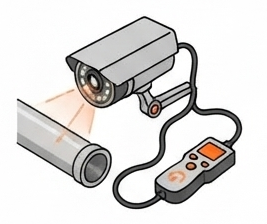
After the excavation, we typically carry out a CCTV inspection of the exposed pipe section, assess the extent of root intrusion, and recommend an appropriate repair.

Hydro excavation is the right call for any situation where there’s a meaningful risk of underground service damage, where site conditions make mechanical excavation impractical, or where a clean, minimal-footprint dig is important for operational or aesthetic reasons. Typical scenarios include exposing utilities for confirmation before other works, pipe repair preparation in congested or sensitive areas, potholing for service location, and trenching in multi-service corridors.

It’s also worth considering for residential properties in Melbourne’s leafier suburbs where the combination of old infrastructure and established trees creates conditions where a careful, water-based approach is simply smarter than a mechanical one. If you’re unsure whether hydro excavation is the right method for your specific situation, give us a call.

It can carry a higher hourly cost than a standard mechanical dig, but the reduced risk of damaging utilities and the simpler reinstatement process often make it more cost-effective overall for sensitive sites. When you factor in the potential cost of a service strike.

The excavated slurry is vacuumed into a sealed tank on our truck and removed from site for appropriate disposal. This leaves the excavation area clean and tidy, with no spoil pile to deal with before reinstatement.


Get your free estimate

Get a Quote

Ready to get this sorted?

GET IN TOUCH WITH METRO JETTING TODAY FOR A FREE, NO-OBLIGATION QUOTE — SAME-DAY SERVICE IS AVAILABLE ACROSS MELBOURNE.