




Grease Trap Cleaning Melbourne.
KEEPING YOUR MELBOURNE KITCHEN COMPLIANT AND RUNNING | 24/7 EMERGENCY | SAME-DAY SERVICE WHEN AVAILABLE | UP-FRONT PRICING | NO SURPRISES
If you run a cafe, restaurant, or commercial kitchen anywhere in Melbourne, you already know that a neglected grease trap isn’t just an unpleasant smell waiting to happen. Water authorities require commercial food businesses to maintain grease traps to stop fat, oil, and grease entering the sewer system, and falling behind on cleaning schedules can put your business at risk on more than one front.
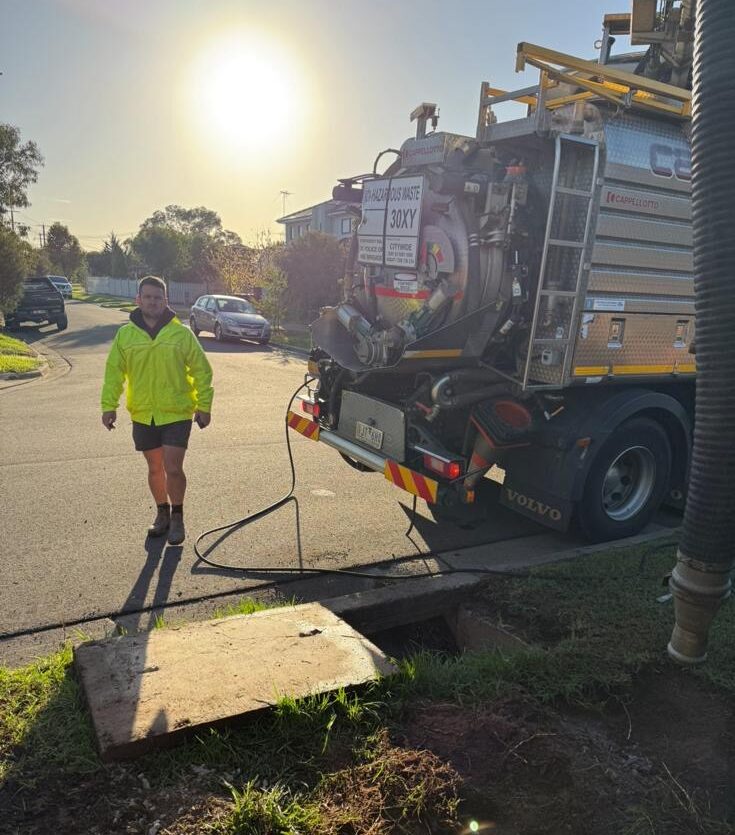
We provide friendly, reliable grease trap cleaning and waste management for commercial kitchens right across Melbourne. Our vacuum trucks remove built-up fat, oil, grease, and solid waste from the trap, restoring it to full working capacity and helping you stay firmly on the right side of your compliance obligations.
Stay Compliant, Stay Open
We help you meet water authority requirements with a cleaning schedule tailored to your kitchen’s output.
Prevent Costly Blockages
An overdue grease trap is one of the most common causes of a sudden, severe kitchen drain blockage. Regular cleaning costs significantly less than an emergency callout mid-service.
Scheduled Around Your Hours
We work with commercial clients to time cleaning visits around your quieter periods.
Honest Assessment of Trap Condition
At each service visit, we’ll let you know if the trap is sized appropriately for your kitchen’s current output and flag any issues early, so you’re not blindsided by a more significant problem later.

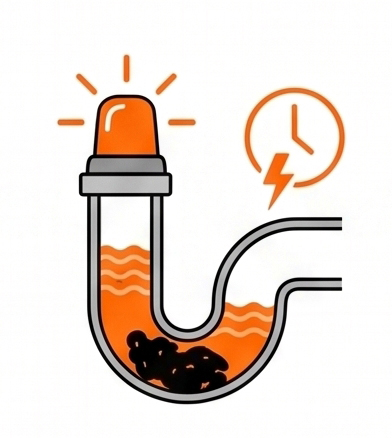
Inspect the trap and access
We assess the trap, surrounding access and the level of build-up before starting. This lets us confirm the service requirements and identify odour, overflow or access issues early.
Tell us about your needs
Call to discuss your kitchen's size, trading hours, grease trap type and current cleaning routine. We will use that information to plan a service that causes as little disruption as possible.
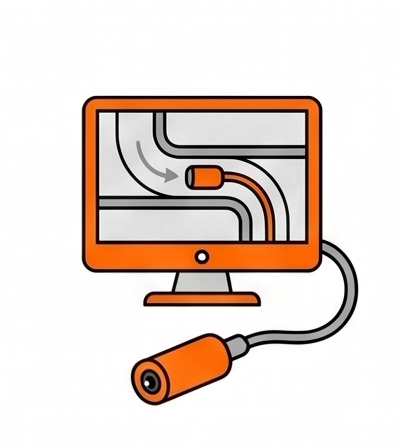
Remove the grease properly
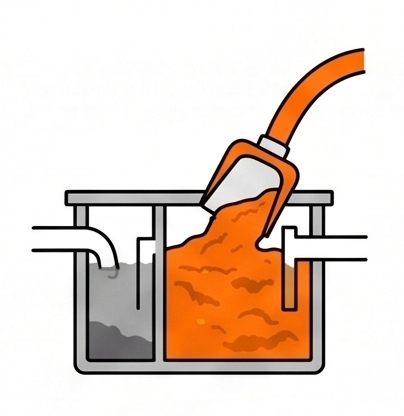
We pump out the contents, clean the trap and remove the waste for appropriate disposal. The work addresses the accumulated material rather than masking odour or leaving settled solids behind.

Set the cleaning schedule
We explain the cleaning work, disposal process and a sensible ongoing frequency for your kitchen. You receive a clear service plan that supports reliable operation and compliance records.

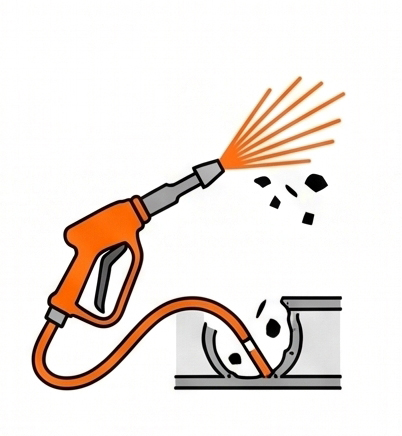
Confirm a clean, workable trap
We check the trap and surrounding area before handing the kitchen back to you. We confirm what was completed and explain when the next clean is likely to be due.
FAQS
Frequently Asked Questions
Not sure which service you need? That is exactly what we are here for. Call our family-owned Melbourne team, describe what is happening and we will help work out the right next step.
Why Grease Traps Need Regular Attention
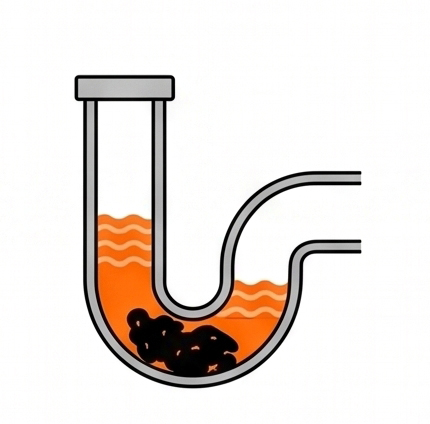
A grease trap works by slowing wastewater down as it leaves the kitchen, allowing fats, oils, and grease to separate and float to the top rather than flowing straight into the sewer system. Over time, that trapped fat and grease builds up, and if it’s not cleaned out regularly, the trap loses its capacity to do its job properly. This means fat and grease start passing straight through into the sewer.
This isn’t just a theoretical risk. A trap that’s overdue for cleaning is one of the most common causes of a sudden, severe kitchen drain blockage. Regular cleaning on a set schedule, rather than waiting until there’s a problem, is by far the smarter, more cost-effective approach.
It’s also worth understanding that grease traps don’t just capture liquid fats. A properly cleaned trap should have both the floating grease layer from the top and the settled solids from the bottom removed, not just the visible surface material. Our team addresses both layers at each service visit.
Staying Compliant Right Across Melbourne
Local water authorities. These requirements can vary depending on your specific location, the scale of your kitchen operation, and the type of food you’re preparing. Some water authorities require grease trap service records to be kept and made available on request; others incorporate trap condition into routine food business inspections.
We work with commercial clients to set up a cleaning schedule that meets these requirements, so you’re never caught out during an inspection or, worse, facing a blockage that shuts down service on a busy night. For kitchens we service regularly, we maintain records of each visit that can be provided to your water authority or council if needed.
If you’re opening a new food business, or you’ve inherited a grease trap system from a previous tenancy and you’re not entirely sure whether it’s been properly maintained, it’s worth getting it assessed sooner rather than later. A quick inspection can tell you whether the trap is adequately sized for your kitchen’s output and set you up with a cleaning schedule that keeps you compliant and blockage-free going forward.
How Often Does Your Grease Trap Need Cleaning?
There’s no single answer that applies to every commercial kitchen. A small espresso bar making a hundred coffees a day has very different grease trap needs to a busy suburban restaurant turning over two hundred covers per service.
As a rough guide, most medium-sized commercial kitchens require cleaning every one to three months. High-volume operations. Smaller operations like cafes with limited food preparation may be able to extend to quarterly cleans, but this should always be confirmed against your specific water authority requirements rather than assumed.
The simplest way to establish the right frequency for your business is to have us assess your trap and your kitchen operation. We’ll give you an honest recommendation based on what we see, not a generic package that may or may not suit your actual situation.
What Happens During a Grease Trap Clean
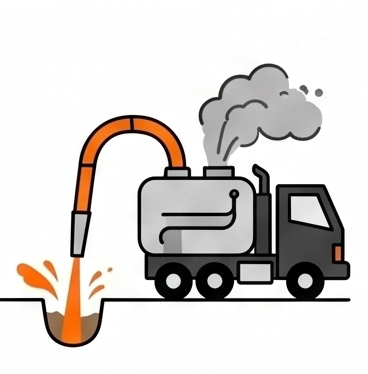
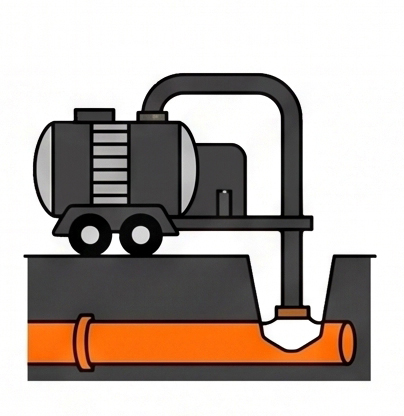
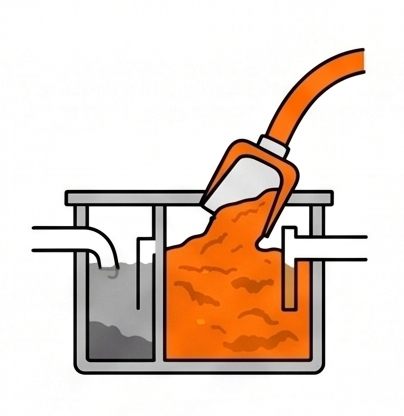
Our grease trap cleaning service uses a vacuum truck to remove the built-up fat, oil, grease, and solids from your trap in a single visit. We access the trap through its inspection lid, insert the vacuum hose, and systematically remove both the floating grease layer and the settled sludge from the bottom of the trap.
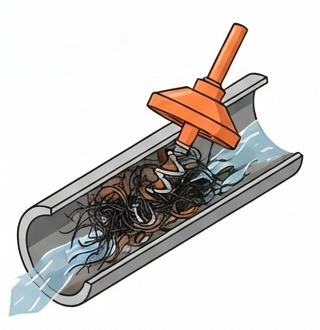
Once the waste material has been removed, we inspect the trap’s internal components. Damaged or missing baffles are one of the more common reasons a grease trap stops working effectively, and it’s something that’s easy to identify and address at a service visit rather than discovering it during a blockage or inspection.
After cleaning, the trap is refilled to operating level and the inspection lid is replaced securely. The whole process is generally completed in under an hour for a standard-sized commercial trap, though larger traps or those that are significantly overdue for cleaning will naturally take longer. Waste material is taken off site in our sealed tank for appropriate disposal.
For Melbourne’s vibrant cafe and restaurant scene.
Grease Trap Problems: What to Watch For
The most obvious sign that a grease trap needs attention is a slow or blocked kitchen drain, often accompanied by a strong, unpleasant odour coming from the drain or from around the trap itself. If your kitchen is experiencing slow drainage that doesn’t resolve with standard drain cleaning, the grease trap is often the place to look first.
Other warning signs include wastewater backing up into the sink or floor waste, visible grease on the surface of nearby drains or in outdoor pits, or an increase in drain odour that seems to coincide with busier service periods. None of these are problems you want to leave, because they tend to get significantly worse before they get better.
If you’re not sure when your grease trap was last cleaned. An overdue trap that hasn’t yet caused a visible problem is far cheaper and easier to deal with than one that’s failed mid-service.