

CCTV Drain Inspection Melbourne
LET'S SEE WHAT'S REALLY GOING ON DOWN THERE | SAME-DAY SERVICE WHEN AVAILABLE | UP-FRONT PRICING, NO SURPRISES
How do you actually know what’s wrong with a pipe you can’t see? For decades, the honest answer was: you didn’t, not really. Plumbers made educated guesses based on symptoms, dug where they suspected the problem was, and hoped they were right. CCTV drain inspection changed all of that.
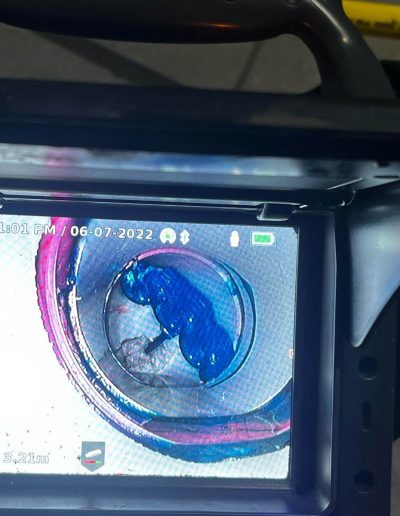
By running a small, waterproof HD camera through your drain or sewer line, we can see the exact condition of the pipe in real time.
Non-Invasive Inspection
The camera is inserted through an existing access point.
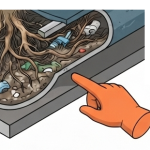
Catch Root Intrusion Early
A periodic CCTV check every two to three years is an inexpensive way to catch tree root intrusion long before it causes a collapsed pipe or a plumbing emergency.
Accurate Repair
Because we’ve seen the pipe, our repair recommendations are based on the actual damage. The right fix for a hairline crack is different from the right fix for a collapsed section.
Site Inspections
Buying an older Melbourne property? A pre-purchase drain inspection can reveal expensive sewer problems before you’re committed, giving you real information to negotiate or budget with.

See inside the pipe
We feed a CCTV camera through the drain and inspect the pipe from the inside. The footage shows the location and condition of the problem instead of relying on guesswork.

Describe the recurring problem
Tell us which drain keeps backing up, how often it happens and what has already been tried. Those details help us choose the right camera and access equipment for the inspection.
Check the result on camera
Where appropriate, we recheck the line after the work to confirm the pipe is clear and the repair has done what it should. We talk you through what was found and any sensible monitoring to arrange.
Act on the evidence
We carry out the agreed clearing, repair or maintenance work using the inspection findings as our guide. That means we target the actual cause rather than repeatedly treating the same symptom.

Confirm the property is safe
We test the affected fixtures and check that wastewater is moving as it should before we leave. We also explain what to monitor and whether a follow-up inspection is worthwhile.
FAQS
Frequently Asked Questions
Need a hand with your drainage?

Not sure which service you need? That is exactly what we are here for. Call our family-owned Melbourne team, describe what is happening and we will help work out the right next step.
Can a CCTV inspection find where a pipe is leaking?
Yes, in many cases. A camera can identify cracks, joint failures, and areas of structural damage that are likely sources of leakage. It can also identify areas where root intrusion has occurred through existing leaks. For confirming active leakage points in specific circumstances, there are complementary diagnostic approaches we can discuss depending on your situation.
When Should You Get a CCTV Drain Inspection?
There are several situations where a CCTV inspection is clearly the right move, and a few more where it’s simply the smart, proactive thing to do.
What Happens During the Inspection
The process is straightforward and, for most properties, takes less than an hour from arrival to debrief.
Our friendly technician feeds a flexible, waterproof HD camera on a push-rod cable through an access point in your drain or sewer line. This access point might be a floor waste inside the house, an inspection opening in the yard, or the main sewer inspection shaft at the property boundary. No digging is involved at this stage, and there’s minimal disruption to your property.
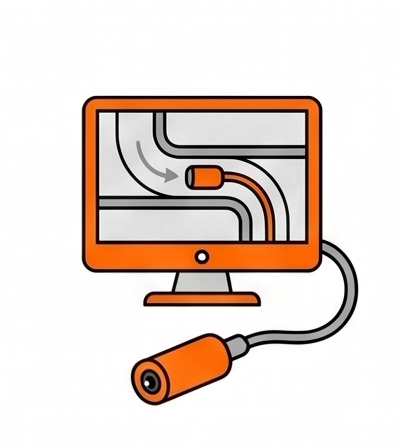
As the camera travels through the pipe, it streams a live HD image to a monitor that our technician reviews in real time. The push-rod cable has a built-in distance counter, so we can record the exact location of any feature we find — a crack at 3.2 metres, root intrusion beginning at 8 metres, a joint misalignment at 12 metres.
Once the inspection is complete, we’ll walk you through what we found. We’ll show you the footage on the monitor, explain what each identified issue means in plain language rather than technical jargon, and outline the options available. You’ll leave the conversation with a clear picture of your drainage system’s condition, what needs attention, and what can wait.
For pre-purchase inspections, we’re happy to provide a written summary of findings that you can share with a building and pest inspector, solicitor, or vendor as needed.
Understanding What the Camera Might Find
Not every CCTV inspection turns up a serious problem. But when it does find something, here’s what we’re typically looking at.
Tree root intrusion is the most common finding in older Melbourne suburbs. Roots enter through cracks and joints and grow progressively denser over time, eventually causing a partial or complete blockage. On camera, early-stage root intrusion looks like fine tendrils around a joint; advanced intrusion looks like a tightly packed mass filling a significant portion of the pipe diameter.
Cracks and fractures in the pipe wall appear directly on the footage as irregular breaks in the pipe surface. A hairline crack in an otherwise intact pipe section is a very different repair scenario from a pipe that has cracked in multiple places along a length, or one where the crack has allowed significant soil ingress. The camera tells us which we’re dealing with.
Bellying, or sagging, occurs when a section of pipe drops below the general fall line. Water and debris accumulate in the low point, creating a recurring blockage that no amount of clearing will permanently fix without addressing the pipe’s alignment.
Joint offsets happen when adjacent pipe sections shift relative to each other, creating a lip or step inside the pipe that catches toilet paper, wipes, and other solid matter. These are common in older clay pipework where the original joining material has degraded.
Collapsed or partially collapsed sections are exactly what they sound like. Relining may still be possible depending on the extent and nature of the collapse, but excavation and replacement becomes more likely in these cases.
Is a CCTV drain inspection messy or invasive?
Not at all. The camera is inserted through an existing access point. There’s no digging, no mess, and minimal disruption. Most inspections are completed in under an hour.
Can I get a copy of the footage?
Of course. We’re happy to provide footage, images, or a written summary of what we find. This is particularly useful for pre-purchase inspections, strata or body corporate records, insurance purposes, or simply keeping a record of your drainage system’s condition.
How often should drains be inspected if I have large trees nearby?
As a general guide, every two to three years is a sensible interval for properties with established trees in close proximity to the sewer line. That said, we’re always happy to advise based on the specific species, distance, and condition of the trees near your property.
What's the difference between a drain inspection and a sewer inspection?
The terms are often used interchangeably, but in practice a drain inspection typically refers to the internal waste pipes within the property (from fixtures to the boundary), while a sewer inspection covers the main sewer line from the property boundary to the connection point. We inspect both, and often do so in sequence to get a full picture of the system.